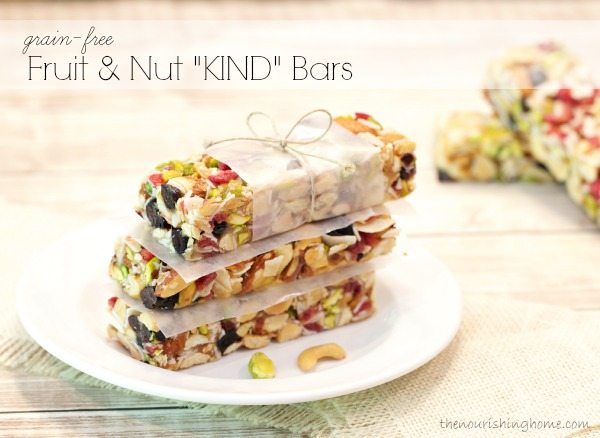
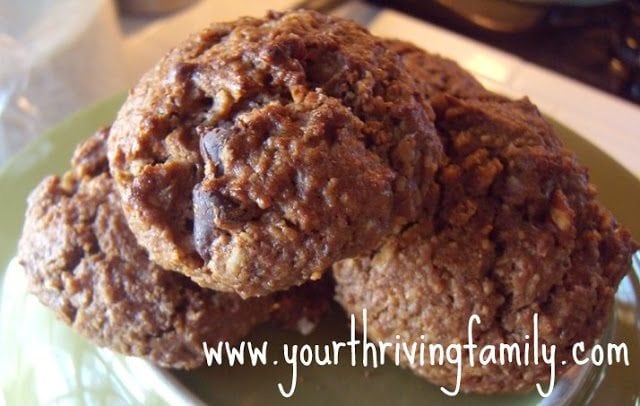
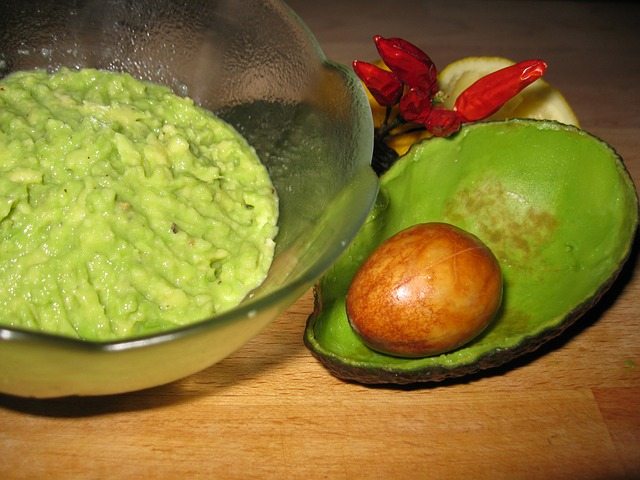
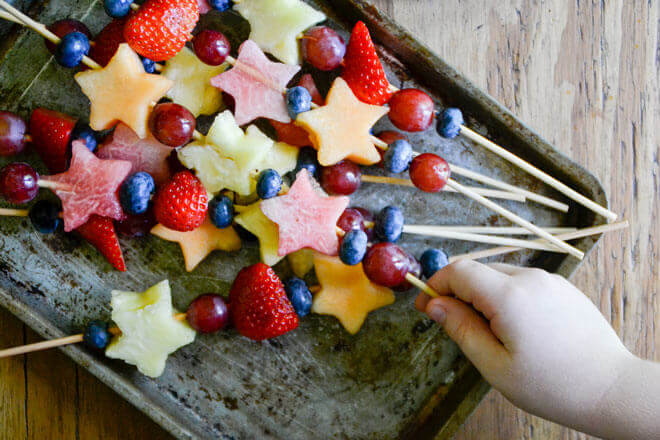
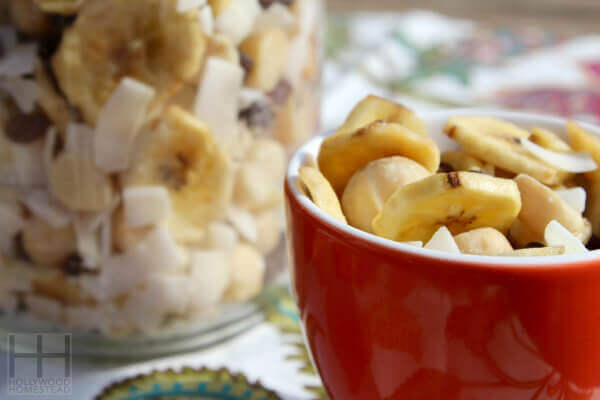
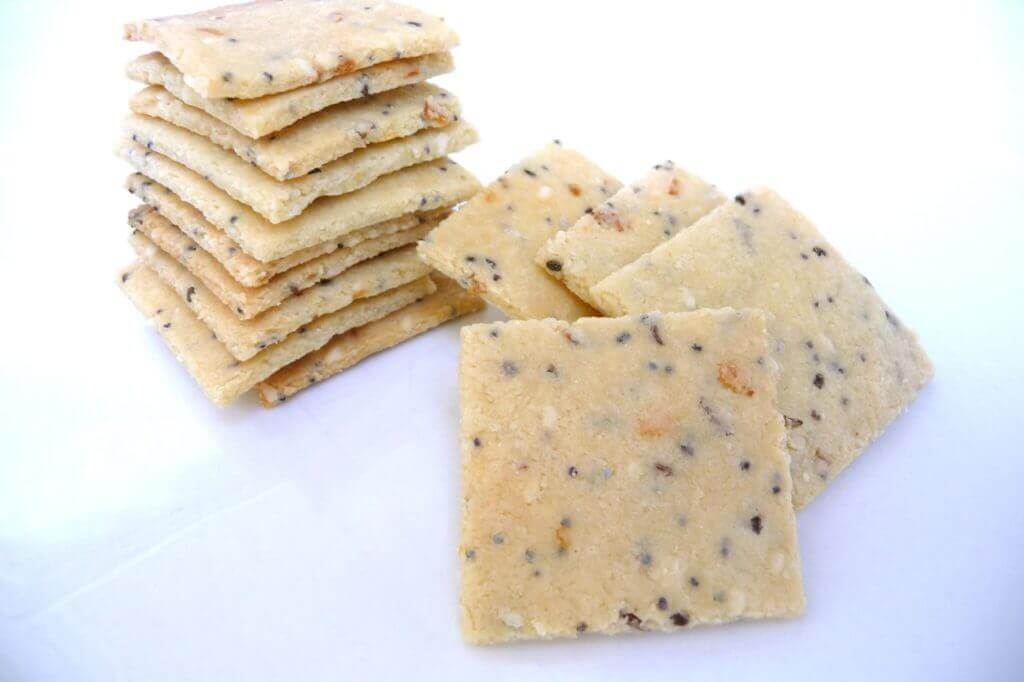
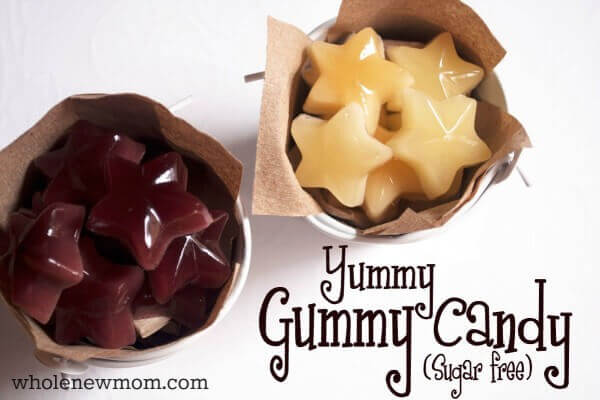
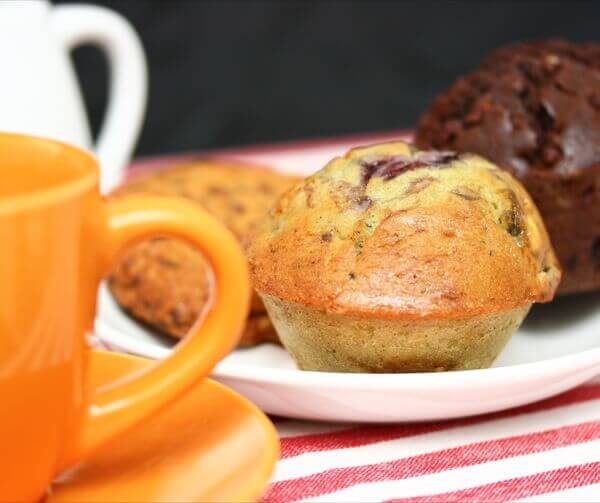
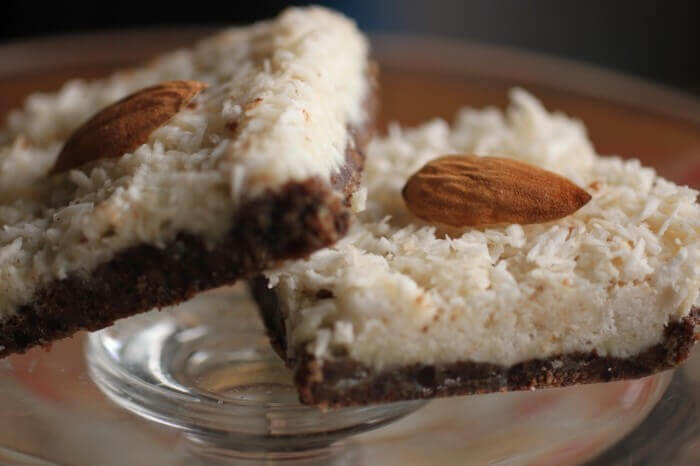
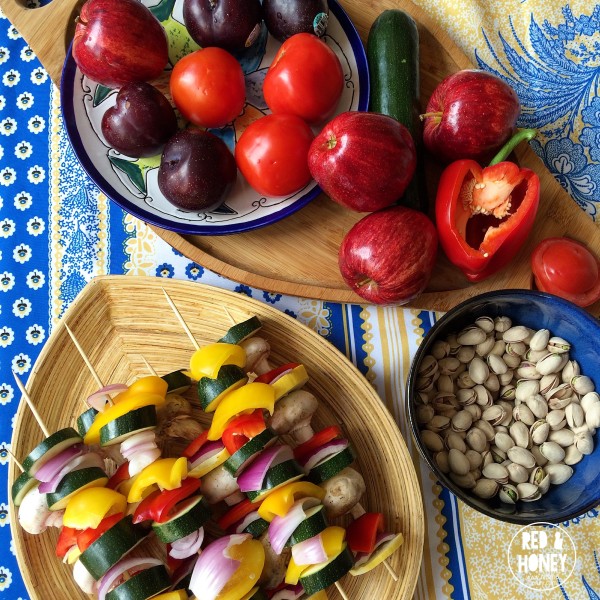
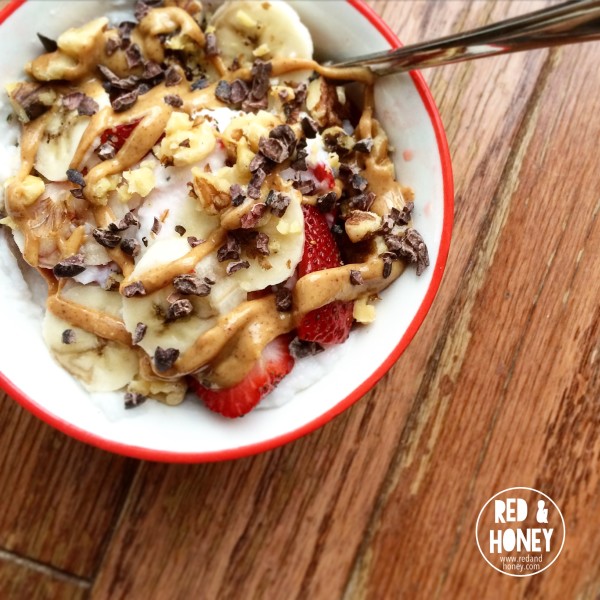
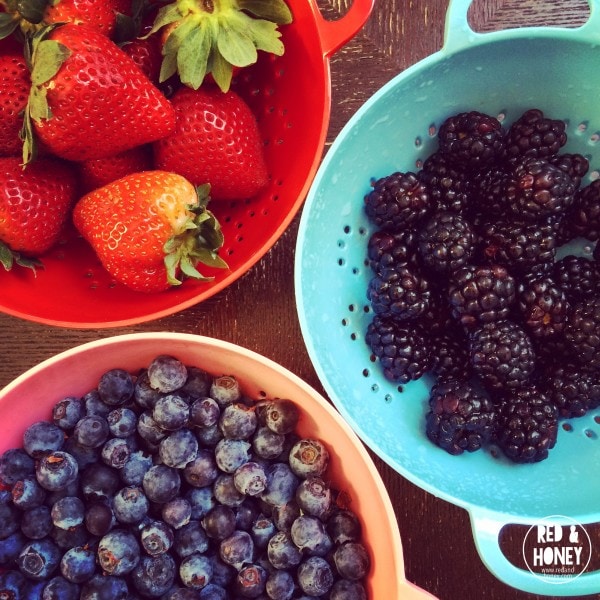
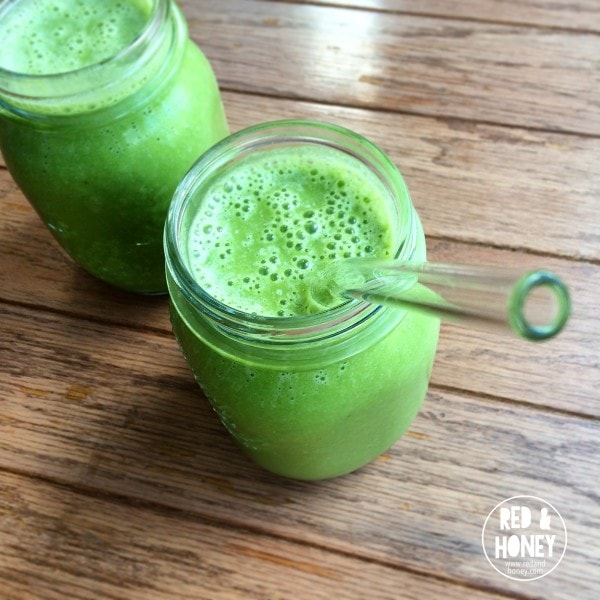
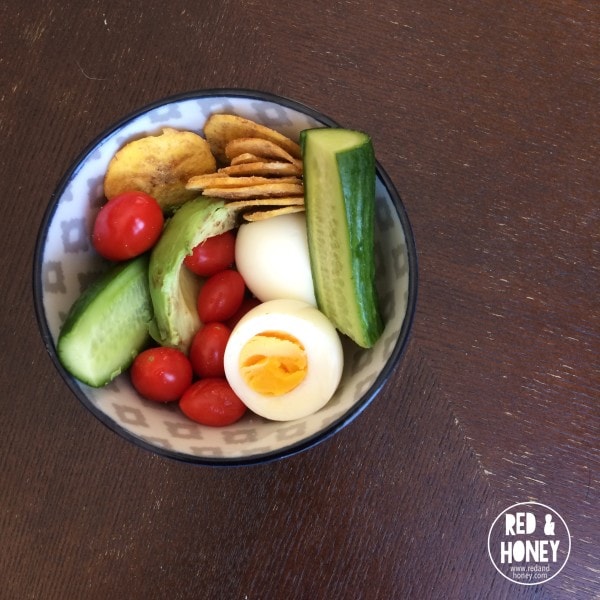
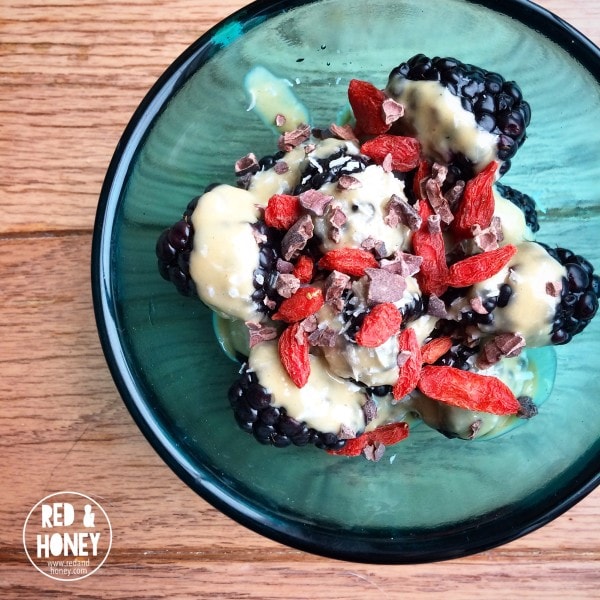
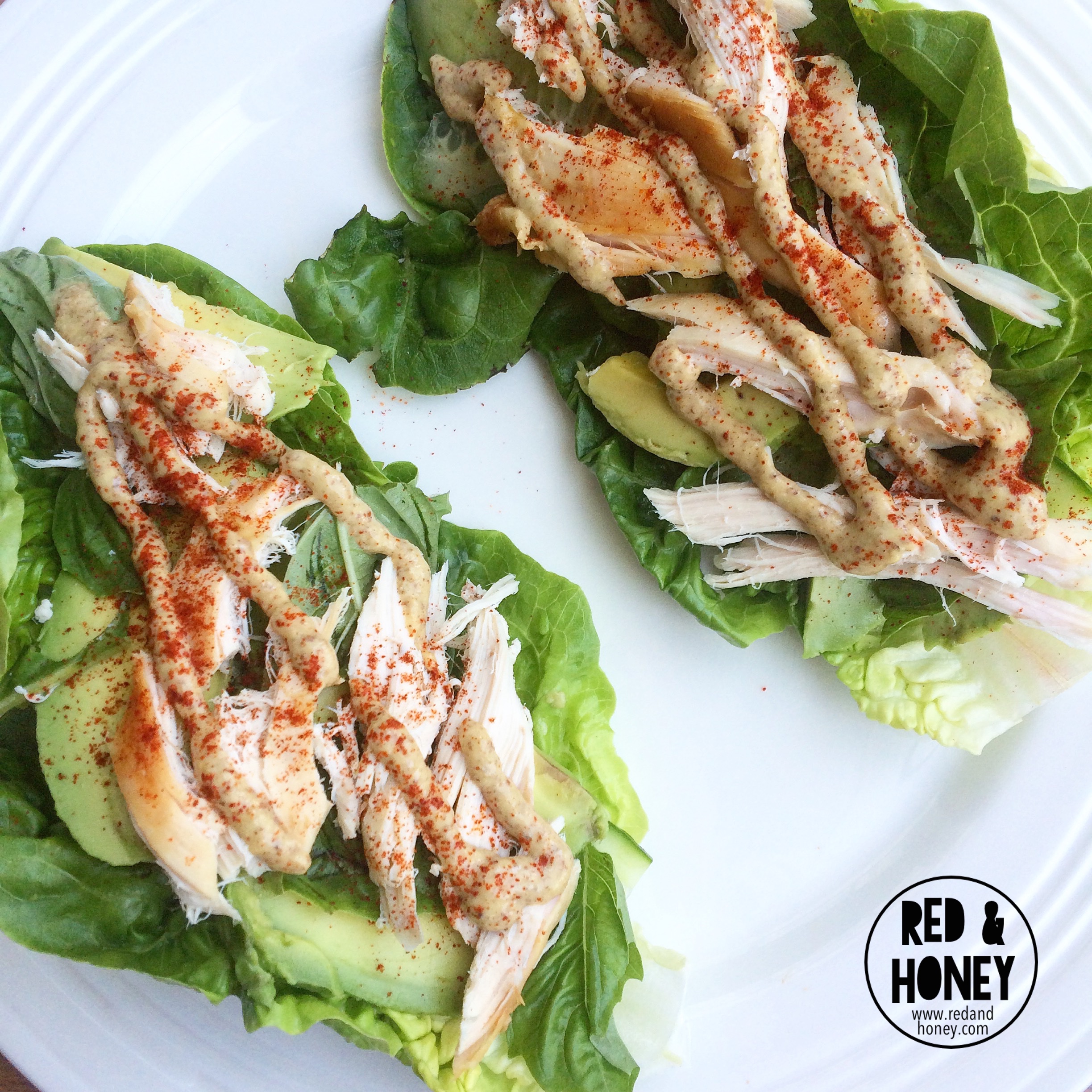
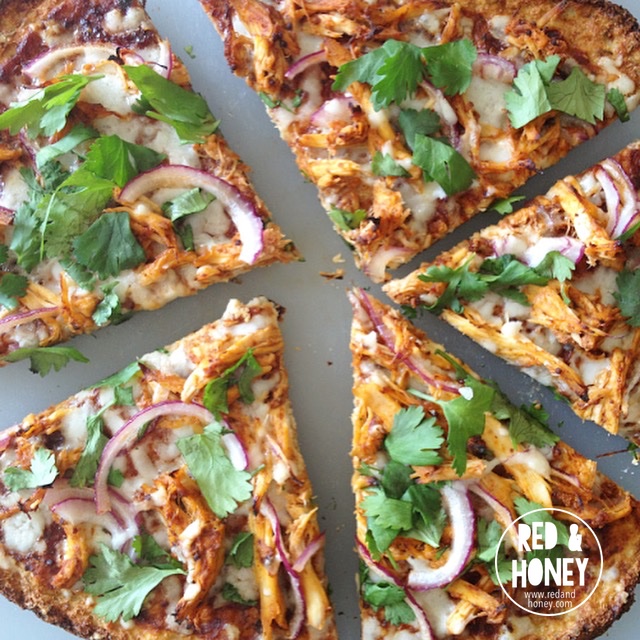
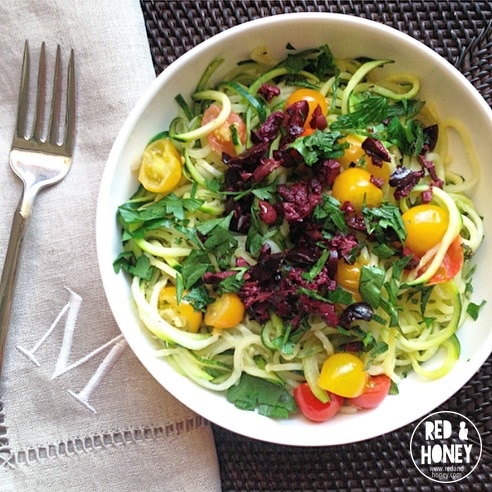
These homemade, healthy after-school snack ideas will fuel your kids up after a long day at school. Most of these healthy snacks are allergen-free, too!
School has already begun in many places across the South, and the next few weeks will see the rest of North America joining in on the fun.
Today my firstborn started kindergarten, and a few weeks ago I started thinking about what I would feed her for after-school snacks. The following are links and recipes I’ve curated for homemade, healthy after-school snack ideas.
A LOT (but not all) of these snacks are allergen-free. I have noted in parenthesis which ones are gluten-free (GF), dairy-free (DF) and vegan (for egg-free–some of those recipes do call for honey).
Want even more healthy lunch & snack ideas? Kitchen Stewardship’s The Healthy Lunchbox has 45 real food recipes, plus 8 colorful printables, you’ll be ready to pack amazing lunches for your family this fall! Pick up your copy HERE!
Original article and pictures take thehumbledhomemaker.com site
When we are out of school, it helps to carry on the routine of learning, doing, and following a plan for the day. We schedule camps, vacations, and visits first and then in the days between we establish a pattern. This helps everyone to know what to expect, and prevents us from trying to do too many things at once, or letting the summer go by without getting to our favorite activities.
We settle into a pattern of after-dinner bike rides, Monday or Tuesday errands and trips to the farmer’s market, Wednesday and Friday hikes, Saturday laundry day, and Sunday cooking in the afternoon. The toddler’s nap is a perfect time for craft projects, and we leave most afternoons free for visiting friends, the pool, or taking a movie afternoon when some time is needed to zone out.
We try for structure- not schedule. This allows for flexibility. On the days when we have energy to burn, we’ll go for a longer hike. If everyone is restless but we still need to get out of the house, we just walk around the near by pond.
If there is more grumbling than cheering when you do some of these activities, know you are not alone. Children are still learning to connect the difficulty of a process with the joy of the reward. Living in Montana, I absolutely love summer and it’s a priority for me to expose my children to the beauty around us. There IS some fussing on nearly every trail and nearly every road trip from one or more children but we still keep on.
We’re still building memories. And looking back, they remember the cool fort at the top of a hike that someone made, watching the huge water falls, or swimming in the hotel pool after 8 hours of driving. Every year it gets easier, and we are setting our children up for a lifetime of experiencing new things even if they aren’t sure they’ll love the end result.
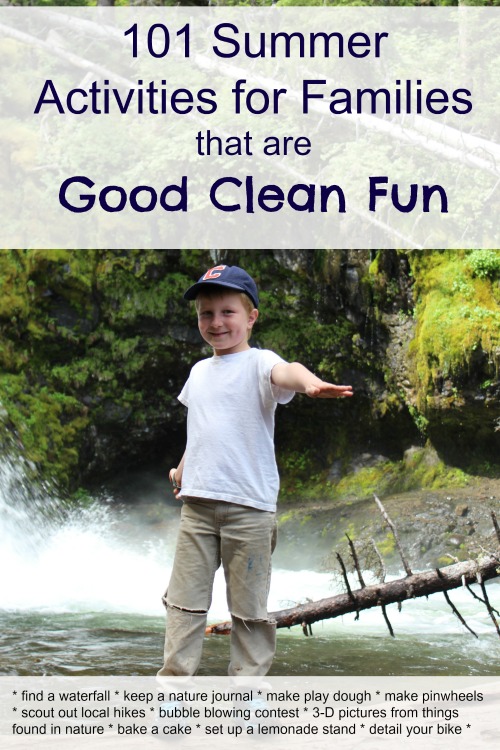
These are some of our favorite activities, things that I want my children to work on learning this summer, and other things I think will be fun to try. These activities are all free of junk food and excess chemicals, and won’t require a lot of setup time from the parents.
Around Town
Be a Tourist! Been avoiding something because ‘everyone’ does it? Embrace what your town has to offer, reading the informational billboards, posing for pictures, and all.
Learn about the major employers, or a cool business in your town. Do you have a fish hatchery? Is there a big employer in your town that makes something cool? Is there a college that you can learn about and walk around campus for a while? Learning about the local economy in an age appropriate way helps kids feel a sense of cooperation and belonging to their town.
Library story time – find out when it is and see if it’s a good fit for your summer schedule.
Find bike-accessible loops and trails and bike to a destination- lunch, a smoothie, or a fun park can all be fun destination hikes. See what parts of your town are specifically bike friendly.
Make it a goal to visit every park in your city. List them and check them off one by one.
Visit the fire station.
On the Trail
This is my favorite part of summer- getting outdoors. We are fortunate to have lots of local trails, but I have lived in 4 other cities and founds great walking and hiking trails in those areas as well. Some places just require asking around or looking a little harder. We hit the trail twice a week every week in the summer.
Look for a guide book that has trails in your area and choose 5 that are age and ability-appropriate. Try to do a mix of the same and new trails for different experiences every time.
Keep a nature journal. We purchased this book, blank sketch books, and colored pencils to share. They will pack easily on hikes.
Learn about trail dangers. Get your boy scout on ;) Learn about grizzlies, mountain lions, spiders, snakes, and bugs- and how to stay safe, what to do if you encounter them, and precautions to take. Also explain how easy it is to get lost in the woods and the importance of sticking together on the trail. Learning about danger is both humbling for the children who have a tendency to think they are invincible, and empowering for the children who are more fearful.
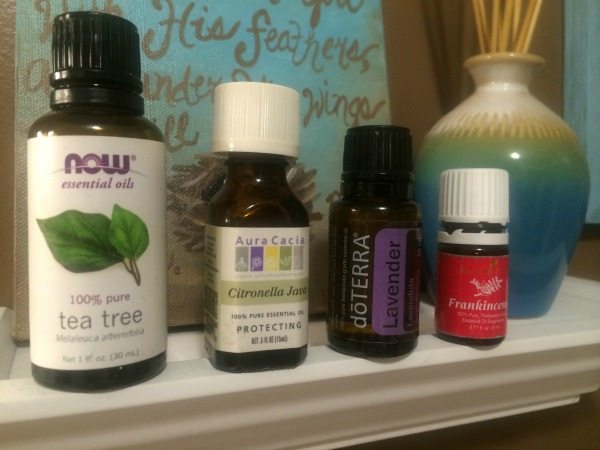
Learn basic first aid. Being out of cell phone range and away from the city can be a good motivator to learn how to take care of ourselves. Learning about basic essential oils to keep with us, a travel first aid kit for the hiking pack, and what to do in an emergency is a good lesson for the trail.
Identify plants and animals with a guide book. This goes well with your nature journal.
Learn to use a compass.
Talk about trail etiquette (stay to the right, yield to horses, don’t cut switchbacks)
Talk to a park ranger. Friendly folks, I love our rangers. Introducing our children and asking questions about the area is a great activity.
Harvest edibles from your area – fish, plants, herbs, berries.
Take binoculars and learn how to use them.
Road Trip Goals
Being able to travel on a road trip is a great gift. Starting with short but consistent trips when your children are young can help them to travel patiently when they are older.
An atlas with the route that you’re taking highlighted so the child can follow along. You can print your route from Google Maps and help them to see where you’re going and follow along with a highlighter.
Tip: Bring electronic toys out once everyone starts getting restless rather than letting them play with them right away; the novelty will give us another hour or more before we need to stop – and when you’re on a long road trip, you know how much longer it takes if you don’t postpone those rest stops!
The license plate bingo game encourages them to look out the window – something that I see kids doing less and less as they rely on electronics to entertain them within the car.
Involve kids in travel plans. Show them google maps and the different routes you could take, and how they take different amounts of time. Show them how you reserve the hotel room or camp ground.
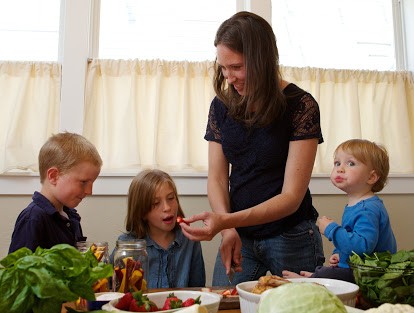
I love involving my kids in the kitchen. Teaching them to prepare food is one of the most important things that we can do to set them up to be healthy adults.
Do the Kids Cook Real Food course– this can really provide structure and activities for the whole summer.
Choose 5 easy-to-cook dishes that are age approrpiate, and learn how to make them from purchasing ingredients to assembling to cleaning up.
Let your children look through cookbooks and choose treats to make- we make treats on Saturday, and I let them look through paleo cookbooks to see what they want to make.
Make ice cream.
Make popsicles. I make them from smoothies with my toddler twice a week. Then that’s our ‘snack’ in the afternoon all summer.
Set up a chore routine for after meals – we go on a family bike ride after chores are done. I have my kids do one thing for a month, then switch, this encourages them to learn to do it well.
Make kombucha.
Grow an herb garden and learn how to use fresh herbs.
Pick a restaurant or junk food favorite and figure out how to make it at home- even if it looks really complicated.
Learn how to use a spiralizer for carrots and summer squash.
In the Water
Having children who are comfortable around water is a huge priority for me. Consistent exposure to swimming is the best way that I have found to have kids who are confident swimmers. We swim year-round and try for once a week during the school year and twice during the summer.
Go tubing- is there a small creek or slow part of a river near you? Tubing doesn’t need to be an all-day thing, or done behind a boat, a few 100-foot runs down a creek, running up to the top and tubing down to where a parent helps you get out makes great memories.
Advance swimming skills- you can see swim lesson plans here and use them to help your children improve. Lessons are fun and great for development too, but sometimes they don’t fit in the budget or summer time frame.
Skip rocks.
Make log boats (whittling comes in handy here too!) or play Pooh Sticks.
Learn to fish. Sometimes local rec departments will have a learn to fish program that doesn’t even require a license. My love for Montana is showing, but developing a hobby that takes minimal equipment and takes people to areas without cell phone reception is something greatly beneficial for our culture.
At the beach, big a big adult-sized shovel and help kids dig a huge hole. My uncle did this for my cousin and I every summer, and after a few minutes of work from him it was hours of entertainment for us.
Building bridges, dams, and little rivers and cities is a great activity near the beach, river, or lake.
Collecting shells, river rocks, or pine cones can be done in a bucket. Arrange by size, shape, or color to encourage children to notice details.
Have a squirt gun fight- being on the water anyway makes this easy, and you don’t have to worry about flooding the back yard or leaving the hose running at home.
Visit a splash park. These are worth a little bit of a drive, and they’re great if you have kids who aren’t confident in their swimming skills.
For the Future
Developing good work ethic is something that comes easier to some children than others. Because it is so important to their future, I make a point to gently, but persistently, encourage good work ethic and an understanding of working = paying bills AND having fun.
This isn’t so much the ‘jump around and eat treats’ kind of fun but it is interesting and provides satisfaction- which is a different kind of fun. When it’s framed right, children will usually pick up that this is something that we are excited that we get to do.
Learning self-care. Learning to wash their own hair, do their own laundry, make their bed well, even clean the bathroom are all skills that take time to master.
Explore different occupations, job shadowing or reading books about them if age appropriate.
Set up a lemonade stand or other small business and learn about cost of doing business, sticking through with a task, and more.
Learning to take care of their belongings- from washing the trike to vaccuming out the family car, to tuning up the breaks on their bike after a long ride can all be done with youtube videos.
I love doing crafts with my kids, but I don’t love clutter from busy-work crafts. Some of these crafts will take more time to make, but you’ll love displaying or using them.
3D rock art is beautiful and can be displayed in a shadow box or just on the deck until summer is over.
Whittling teaches fine motor skills, safety, and makes cool figures for a doll house or nature table.
Pressed flowers make amazing stationary and reminders of hikes.
Getting a canvas on sale at the craft store and creating a painting with acrylics can be displayed in their room or your home.
Play dough– make it yourself, and then play over and over.
Learn to knit- dish cloths are great to start with and are useful.
Tie dye makes wearable art (though this is a little stressful to do- we love it)
Quilting is a great skill to learn and fun too.
Magnets add personality and function to your fridge.
Sock or finger puppets can be played with all summer long.
Pottery painting- lots of towns have places where you can paint pottery, and then pick it up once it’s fired. This is a great quiet cool activity for older kids.
Write a story, make a simple book, and illistrate it. Model after different authors or continue a series (good for older kids): Dr. Seuess, Sandra Boynton, etc.
Bringing others joy is one of the best things in life. Explaining this and doing something kind for others on an intentional schedule will help make this a habit.
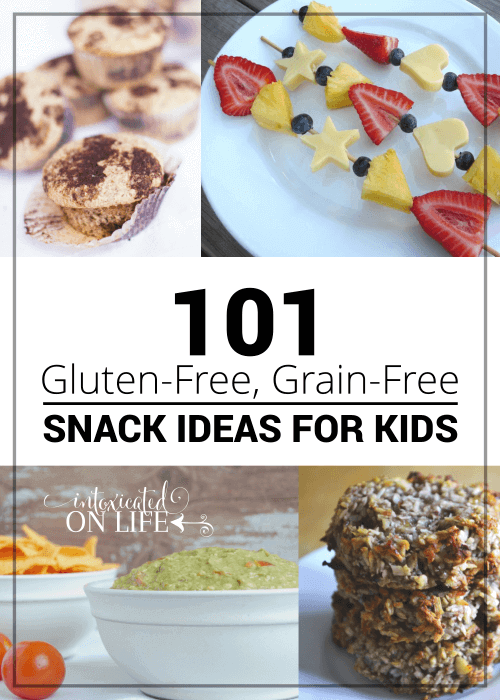
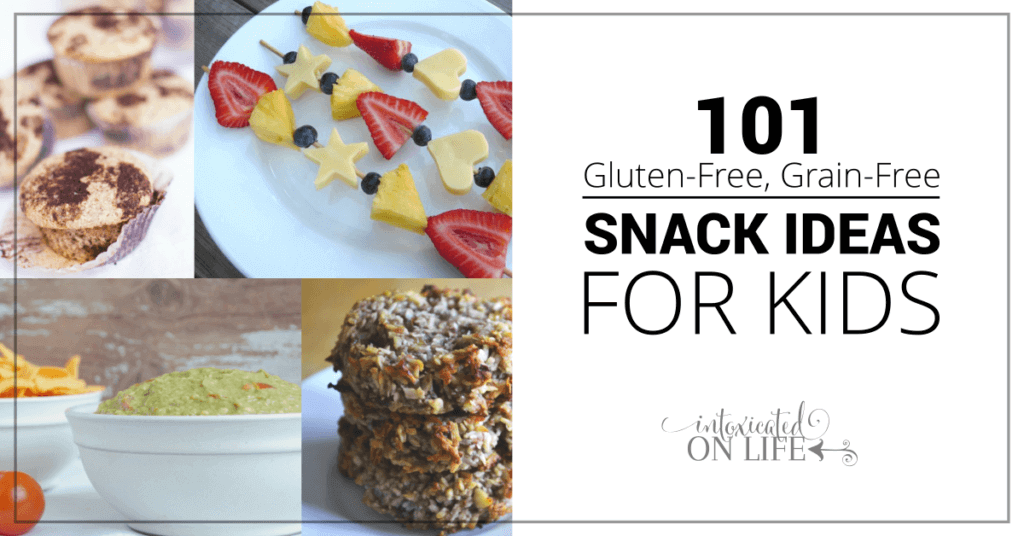
101 Easy Gluten-Free, Grain-Free Snack Ideas for Kids (and Parents)
Here it is. The Ultimate List of 101 Easy Gluten-Free, Grain-Free Snack Ideas for Kids (and Parents). Enjoy.
So, you’ve decided to cut gluten or maybe all grains in your kids’ diet (or maybe you’ve just determined to cut back on them), but whatever in the world will you feed them for snacks? Crackers, tortilla chips, muffins, cookies, granola bars…virtually all snacks seem to have some sort of grain in them.
Not so, my dear friend, not so. I’ve compiled a list of 101 snack ideas for kids that are gluten-free and grain-free. Both you and your kids can enjoy these!
101 Easy Gluten Free Grain Free Snack Ideas for Kids and Parents
These 101 gluten-free, grain-free snack ideas for kids are divided up into categories: fruity & veggie snacks, crunchy snacks, dips, crackers and other fun dippers, sweet snacks, muffins & more, homemade puddings etc., cookies & bars, smoothies, healthy pre-packaged snacks, and other stuff. Hopefully there is something here to fit your every snack craving!
Of course, any raw fruit or veggie makes a yummy snack. Our kids love fruit. Here are a few gluten-free and grain-free fruit and veggie snack ideas for kids to spice things up if you’re looking for something different.
I've compiled a list of 101 snack ideas that are gluten-free and grain-free. Both you and your kids can enjoy these when you have the munchies. https://www.intoxicatedonlife.com/2014/01/14/101-grain-free-gluten-free-snack-ideas/
Creamy. Cheesy. Sweet. Salty. I love dips. It’s not hard to come up with dip ideas if you’re gluten-free, but here are a few of my favorite dip snack ideas for kids. Coming up with dippers when you don’t eat grains can be a bit trickier. Many of these recipes will work well with fresh veggies or fruits, but don’t forget to see my dipper ideas below.
Crackers and Other Fun Dippers Snack Ideas for Kids
Looking for hearty grain-free dippers to use in place of crackers or tortilla chips? Look no further! One of these 7 snacks ideas for kids recipes are sure to suit your needs.
If you have a sweet tooth and are looking for candy or other sweet treats, this is the section for you. Most of these snack ideas for kids recipes are made with natural sugar alternatives such as honey, maple syrup, or stevia.
Your kids don’t have to give up cookies and bars just because they are gluten-free. Oh no. This list of 17 recipes proves that. Perfect recipes for that after-school snack
My kids love smoothies! Whipping them up in my Blendtec blender makes them especially easy (you can also check out this budget-friendly refurbished blender). If your kids like them too, here’s some smoothie inspiration for some great snack ideas for your kids.
Though I’d rather make everything from scratch, sometimes I need a grab-and-go snack or a healthy mix that I can whip up quickly. These aren’t easy to come by. Most grab-and-go snacks and mixes are filled with grains, sugar, soy, and more. Here’s a list of snacks you can fill your pantry with for times when you don’t have the time or energy to whip up a homemade treat.
85. Nicks Beef or Turkey Sticks (My family absolutely loves these sticks made from grass-fed beef and free-range turkey.)
96. Peanuts (the little packets are so easy to throw in the diaper bag or purse)
97. Raisins (I like the little boxes of these to throw in my purse or diaper bag too)
.
Other Stuff
These are the snacks that just didn’t fit in any of the other categories. Don’t miss out on them though, they’re tasty and make great snacks too!
axstj srawberrycreamimg 6887 1013 6004
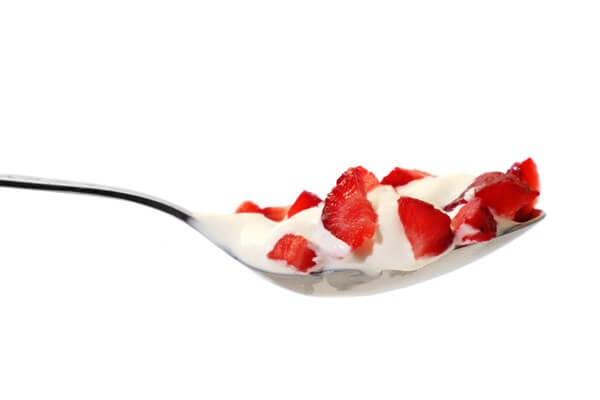
98. Homemade Yogurt (My kids can eat boat-loads of this. Their favorite way to eat it is mixed with some pureed fruit and vanilla stevia or with a little bit of honey. But you can mix lots of things with homemade yogurt or make fruit and yogurt parfaits.)
100+ Skills Every Holistically-Minded Homemaker Should Know
We’ve lost of art of healing through nutrition, cooking from scratch without spending all day in the kitchen, and using natural remedies or supplements before heading to the pharmacy. These are very basic essentials that are easy for anyone to learn.
Cooking Basics
The heart of the home is the kitchen. Healthy families are made where care is taken with how food is chosen, stored, prepared, and served. These basics are a must for everyone who eats.
How to follow a recipe. Following the recipe is the first step, make sure you’re not making any of these all-too-common errors.
How to use a pressure cooker. Pressure cookers use old technology and now modern convenience to cook quickly, evenly, and without fuss!
Homemade Yogurt. For about 15 minutes hands-on time, you can make a gallon of yogurt for just slightly over the cost of a gallon of milk! Make yogurt using milk you trust, for a huge savings.
Sometimes instead of a trip to the pharmacy or the medicine cabinet, we need to rely less on what the little boxes lined up on the shelves at CVS say we need, and more on what our great grandmothers used. If an illness persists, or you’re unsure, of course consult with a qualified healthcare professional. But for little sniffles, and other maladies caught in time, you may be able to prevent something from getting worse by using stuff you already have at home.
How to use amino acids to quit coffee or other addictions. There are certain amino acids that get depleted from caffeine, nicotine, and other addictive substances. Read about how supplementing with these amino acids can help break the cycle of addiction- big or small!
How to choose a dentist. The dental industry is not free of controversy. Read about how our dentist has a sign up in his office warning against fluoride, and what you need to look for when choosing a dentist.
Homemade Toiletries, Cosmetics, and Cleaners
Once we realize how much better we feel when we’re putting whole healthy foods into our bodies, the next logical step is to examine what we’re putting on our skin and breathing in as we clean. These natural alternatives are all fast to put together, they work, and they will save you boat loads of money.
10+ Ways to Sneak More Fruits and Veggies Into Your Day
Hey, friends! Instead of a recipe this month, I thought I’d share some tips that I use to sneak in more fruit and veggie servings each day.
Although I’m a big fan of getting back to basics eating-wise at any time of the year, January is a great time for new habits. We all seem to have “fresh new start” on the brain. Maybe it’s all the cookies we ate over the holidays, or the ubiquitous messages of detox, cleanse, and “new year, new you”…
Whatever it is, if your body is craving a reset, go for it! Take advantage of this motivation and hop to it.
Or, maybe you feel like you could use some more nutrients in your diet, you’ve been feeling off, or you’re trying to boost your immune system this winter. Terrific!
10 Tips for Sneaking More Fruits and Veggies into Your Day
Add berries, bananas, or diced apples to your yogurt, oatmeal, pancakes or breakfast of choice – try a Breakfast Berry Powerbowl
Mix chopped veggies into your omelet or frittata – the more colorful, the better
Blend some spinach into your waffle or pancake mix – it will turn them slightly green, but it’s very mild, I’ve even gotten my husband to ask for these
Considering that communicable diseases like colds and flu are highly contagious and have no cure other than to run their course, your best bet is to prevent becoming ill in the first place.
But, even if you do get sick this season, the severity and longevity of illness is highly dependent on the strength of your immune system and your body’s ability to fight off the invading virus.
Low Immunity Sets the Stage for Sickness
Any illness, whether bacterial, fungal or viral, shows up in individuals who are “susceptible.” Making healthy lifestyle choices during cold and flu season (and all year round) will help build defenses in your body so you are not susceptible to illness.
Here are several very easy, all-natural steps you can take to strengthen your immune system and arm yourself against colds and flu today.
1. Eat Probiotic Foods
Did you know that 80% of your immune system is located in your gut? There are trillions of beneficial bacteria in your intestines that help you fight disease and absorb nutrients. Keeping this population healthy and strong is arguably your strongest defense against colds, flus and many other diseases.
Replenish your gut flora daily by incorporating wholesome fermented foods and drinks into your diet like yogurt, kefir, sauerkraut and kimchee.
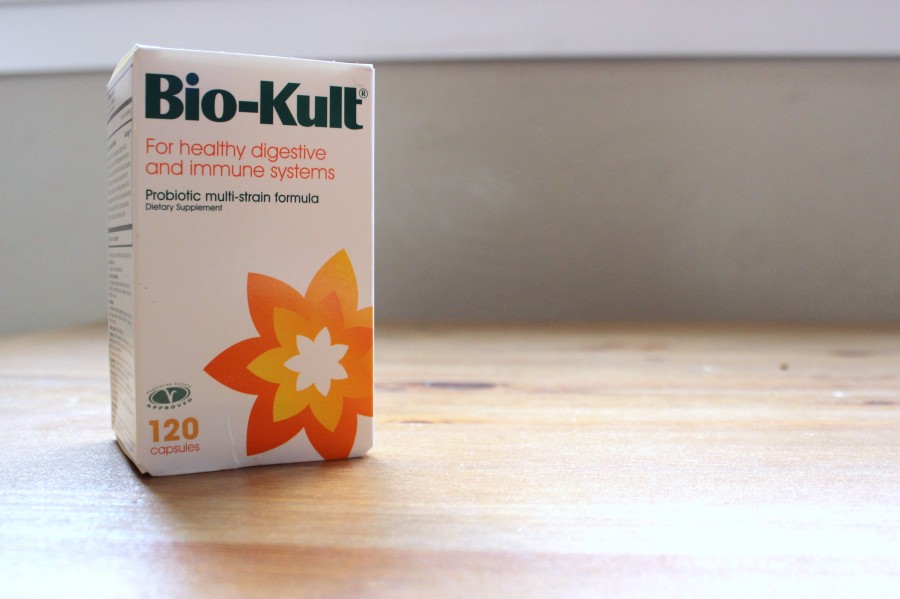
Fermenting your own vegetables is far more effective and affordable than buying probiotic supplements or other mass-marked products that only claim to boost your immunity. Not only will keeping your gut flora healthy help protect you from disease, but it can also give you better digestion.
Make sure the meals you eat every day include plenty of fresh vegetables and healthy fats, and enjoy healthy snacks if you need them, so your blood sugar stays relatively even throughout the day. It takes calories (energy) to form antibodies and dispatch them to the front lines when germs invade. When your calorie intake dwindles because you don’t eat enough or you skip meals, your body prioritizes other functions while your immune system is left to operate at a deficit.
But you don’t want to eat just anything! The nutrition that you get from whole fruits and vegetables is outstanding for preventing illness. Many vitamins, including vitamin C, are antioxidants that will protect cells—including those of your immune system—from damage by toxins in the environment.
Dark-colored produce (berries, kale, broccoli) tends to be higher in flavonoids, polyphenols and other antioxidants. Just make sure you eat a little saturated fat from butter or coconut oil with those veggies, so you can absorb all their nutrients.
3. Get Enough Sleep
Whatever amount of sleep you need to feel refreshed in the morning, whether that’s 6 hours or 10—make sure you get it! Insufficient sleep depresses the immune system, opening the door to colds, upper-respiratory infections, and other nagging ills. Also consider your caffeine intake, and don’t let it keep you from getting a good night’s sleep.
If you have a constricted airway that prevents you from sleeping deeply, Breathe-Right strips on your nose can be very helpful. If you have insomnia (which I often do), then a little warm cow’s milk (which provides tryptophan, a relaxing amino acid) or some magnesium drink can quickly and gently ensure you get a good night of rest. (My favorite book about curing insomnia here)
4. Consume More Glutamine
Your immune cells rely on an amino acid called glutamine to do their jobs. “Glutamine comes from protein foods, and if you’re not eating enough of those, your body will borrow from skeletal muscle, especially if you’re working out,” says Jose Antonio, Ph.D., C.S.C.S., CEO of the International Society of Sports Nutrition. In one study, marathon runners who took glutamine instead of a placebo had less chance of experiencing an upper-respiratory infection after racing.
Broths and stocks made from grassfed beef or pasture-raised chicken are an outstanding source of natural glutamine, and adding a cup a day to your diet can really boost your immune health—just like Grandma always said.
But if you are an athlete, you may need to supplement with more. After exercising, try taking either an extra cup or two of broth, or 5 to 15 grams of L-Glutamine in pill or powder form to help with recovery. Your white blood cells (and your muscles) will thank you.
5. Get Plenty of Vitamin D
The majority of adults and children in the U.S. are deficient in the sunshine vitamin, putting them at greater risk for all infections. A number of recent medical trials have demonstrated that individuals with the lowest levels of vitamin D had the highest rates of serious illness and infections.
You can get Vitamin D naturally by daily exposing your arms and face for 20 minutes in the sun, but most people need more than this. Good dietary sources include good old fashioned cod liver oil (my favorite, least processed brand here), grassfed beef liver, egg yolks from pasture-raised chickens, and fatty fish like salmon.
You can also buy liquid Vitamin D supplements which are very effective and easy to take.
6. Eat Mushrooms
You can try shitake, maitake or other Asian mushrooms, but even the inexpensive and humble button mushroom is loaded with polysaccharides called beta glucans. Numerous medical studies have shown that beta glucans can positively modulate and strengthen the immune system and prevent infections. You’ll want to eat those mushrooms raw and unwashed to get the most out of them.
In addition to finding it in all types of delicious, fresh mushrooms, you can also buy Beta Glucans as a supplement to take during cold and flu season.
7. Harness the Power of Plants
Thieves’ Oil
Thieves’ oil is a legendary and ancient blend of the essential oils of clove, cinnamon, lemon, rosemary and eucalyptus. Thieves’ blend has been clinically tested and proven to be more than 99% effective against airborne bacteria (study conducted at Weber State University, 1997). It has been used to treat everything from candida and bacterial infections to toxic mold to colds and flu.
It can be used as a spray on countertops to kill germs or diffused in an oil diffuser to kill airborne bacteria. Some people mix a few drops of Thieves with olive or coconut oil and rub it into their chest, throat and bottoms of feet to treat a cold or boost immunity all winter long. Here’s how to make it at home.
Fire Cider
Fire cider is a traditional folk remedy infused with powerful anti-microbial, decongestant, and circulatory herbs and spices.
The base ingredients are apple cider vinegar, garlic, onion, ginger, horseradish, and hot peppers, which are mighty by themselves, but there are plenty of other herbs that can be added for extra strength, depending on what’s available to you.
Fire cider needs to steep in a dark cupboard for a month to extract all the goodness from the ingredients. After it is done brewing, adding a tablespoon of this to your diet every day can help boost your immune system, stimulate digestion, and warm you up on cold days. Here’s the recipe to make it.
Hand Sanitizer
It goes without saying that you should wash your hands often during cold and flu season, especially if you are around anyone who is sick. But when you’re unable to wash your hands, a hand sanitizer is better than nothing at all.
Unfortunately, commercial hand sanitizers are filled with toxic chemicals like triclosan and phthalates that have been linked with cancer, neurotoxicity and endocrine disruption.
Instead, you can make your own natural version very easily, with a high-concentration of germ-killing tea tree oil and other antibacterial botanicals. Here is the recipe to make it.
8. Drink Plenty of Water
Even overnight, during what amounts to an 8-hour fast, your immune reserves are being drained. Hydration becomes even more important when you’re sick. Fluids not only transport nutrients to the illness site, but also take toxins away for disposal. Green, rooibos, or herbal tea is another immune-friendly vehicle for consuming water.
You don’t want to drink too much water though! There is too much of a good thing here. It’s important not to dilute and wash out the important minerals and electrolytes your body needs to remain healthy.
To gauge if you are getting the right amount of water, your urine should always be straw colored or darker. If it is clear, you are drinking too much water and slowing your metabolism down!
9. Steam Some Oysters
Oysters are the richest source of zinc, which is essential for immune cell function, and many studies have shown that even a mild deficiency depresses immunity. If you’re not a fan of bivalves, grab a grass-fed burger: Beef and buffalo are other good sources of zinc.
You can also get zinc from pumpkin seeds, which is the highest plant source of the mineral, but you’ll need to eat 3 whole cups of them to get the same amount of zinc that is in just 2 oysters!
Most people are low in zinc, so you might consider supplementing with zinc gluconate. Just know that zinc is not very well absorbed in pill form, so it’s best to get it from food whenever possible.
Original article and pictures take www.smallfootprintfamily.com site
Oh how I have struggled with sleep! A natural night owl, my late-night tendencies are not healthy (and they can lead to longer-term issues, like adrenal fatigue)!
Sleep is essential for a strong immune system. My nighttime routine helps so much when I choose to follow it.
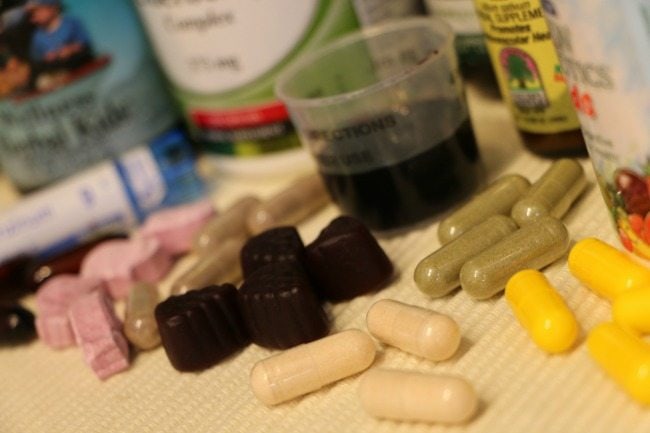
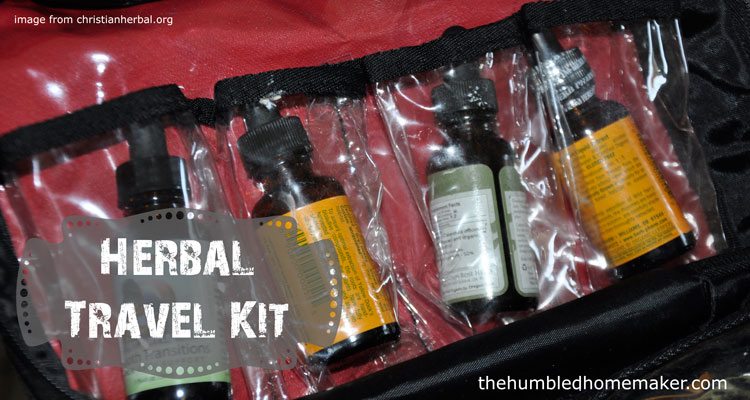
This herbal travel kit need not be just for traveling! Having good herbs on hand to naturally combat illness will help you prepare for cold and flu season.
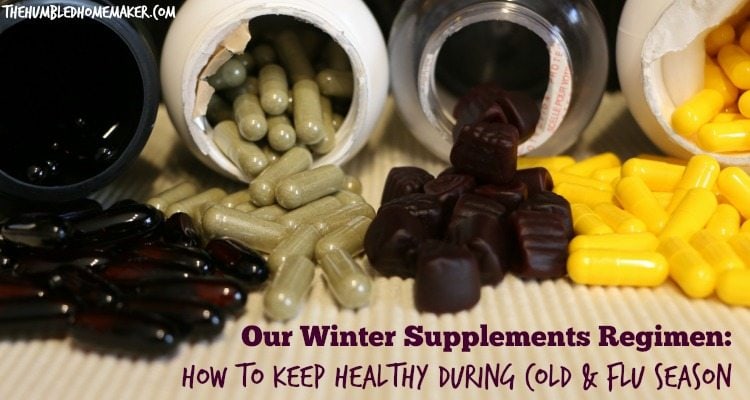
When my family follows our winter supplements regimen we usually stay healthy; when we deviate from it, we get sick!
That reminds me, it’s time to place my monthly Vitacost order to make sure we are stocked up for winter (you can get $5 off your first Vitacost order here!).
You can see some of the many reasons why I LOVE ordering our health and wellness supplements from Vitacost in this post.
Building a natural medicine cabinet can take time, but it’s so worth it! There’s no better time to start building one than now! You can check out my natural medicine cabinet in this post.
7. Educate yourself on natural remedies.
This massive round-up of natural remediescovers much more than just colds and the flu! It’s worth bookmarking for when various illnesses hit your home!
It will come with a small up-front investment (and then the investment of having to change filters once per year or so), but we have really enjoyed having an air purifier in our home, especially during cold and flu season!
While this can be cost prohibitive, it’s probably the best way to learn how to prepare for cold and flu season.
I am a HUGE advocate for educating yourself and not just relying on what other people (non-experts!) tell you.
There are two online classes I am super excited about taking this cold and flu season:
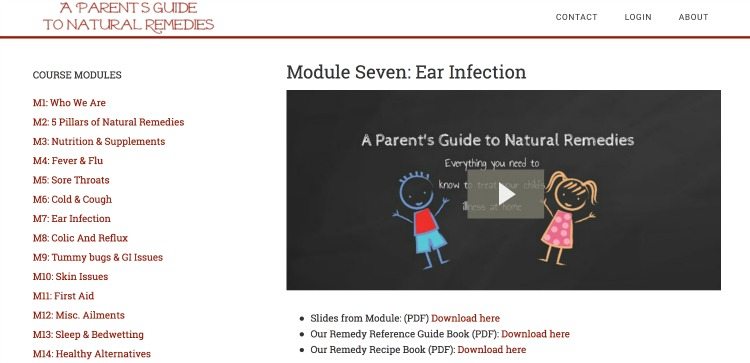
Taught by an RN and a holistic health coach, this eCourse will give you the confidence you desire as a parent to learn how to use natural remedies to treat your child’s common ailments at home. You will learn how to use methods like homeopathy, cell salts, essential oils, probiotics, and more to treat things like fever, sore throat, ear infections, tummy bug, coughs, digestive issues, sleep issues, and first aid.
You can see my video preview of this eCourse by clicking on the video player below or by clicking here (please note that the special deal I talk about in this video is now expired, but you can still see the eCourse in the video).
Taught by the certified aromatherapists from Vintage Remedies, this eCourse is a crash course from an actual public health professional that tells you which healthy living tips are scientifically founded and which are overhyped myths! If you have neither the time nor the inclination to be paranoid about healthy living and want to identify the key changes that will deliver the greatest health impact, this program is for you.
What are your top suggestions for ways to prepare for cold and flu season?
Original article and pictures take thehumbledhomemaker.com site